
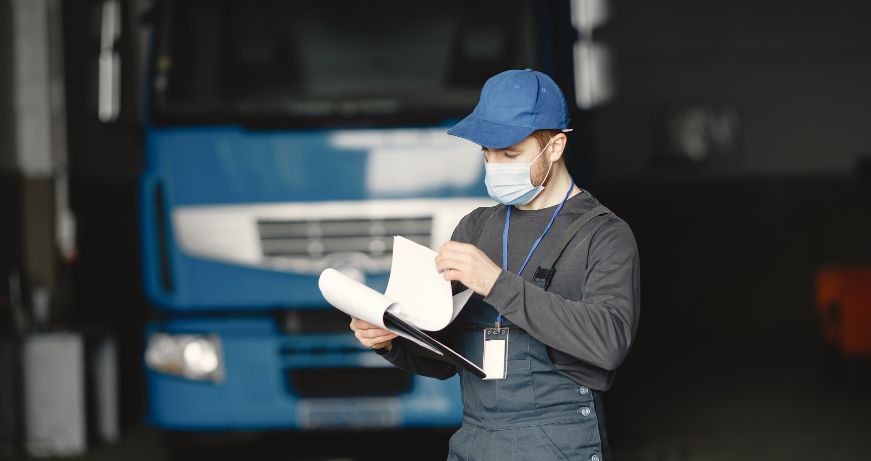
Reliability is the cornerstone of efficient fleet operations. When vehicles and equipment operate reliably, fleets experience less downtime, increased productivity, and improved profitability. In today’s competitive logistics and transportation industries, minimizing unexpected breakdowns and maximizing uptime are essential for meeting customer demands and staying ahead of the competition.
This article examines the direct impact of reliability on fleet downtime and productivity, providing actionable insights and proven strategies for fleet managers and business owners.
For more cost-saving tips, check out our guide on cost savings for fleet managers, and learn how to maximize fleet efficiency with Qingling trucks.
Why Reliability Matters for Fleets?
Defining Reliability in Fleet Management
Reliability in fleet management refers to the consistent ability of vehicles and equipment to perform their intended functions without breakdowns or the need for unplanned maintenance. Reliable fleets are characterized by fewer breakdowns, predictable maintenance schedules, and a longer operational lifespan for assets.
The Impact of Downtime on Business
Fleet downtime can have severe consequences, including:
- Lost revenue due to idle vehicles
- Delayed deliveries and dissatisfied customers
- Increased repair and maintenance costs
- Reduced operational efficiency and employee productivity
How Reliability Reduces Downtime?
Predictive and Preventive Maintenance
Predictive maintenance utilizes advanced technologies, including IoT sensors, telematics, and AI-driven analytics, to monitor vehicle health in real-time. By detecting early warning signs of potential failures, fleets can schedule maintenance before issues escalate, reducing unplanned downtime by up to 50% and lowering maintenance costs by 40%.
Preventive maintenance involves routine inspections and scheduled servicing based on mileage, time intervals, or manufacturer recommendations. This approach ensures that critical components are maintained before any failure occurs, thus extending the vehicle’s lifespan and minimizing emergency repairs.
Efficient Parts and Inventory Management
Keeping essential spare parts in stock and managing inventory effectively is crucial for minimizing downtime. Modern fleet management systems can track parts usage, forecast demand, and automate restocking, ensuring that repairs are completed quickly and efficiently.
Telematics and Real-Time Monitoring
Telematics systems provide real-time data on vehicle performance, driver behavior, and maintenance needs. Predictive alerts enable managers to address issues proactively, optimize routes, and monitor fuel efficiency, resulting in smoother operations and fewer disruptions.
How Reliability Increases Fleet Productivity?
Maximizing Vehicle Uptime
Reliable fleets spend less time idle due to breakdowns and more time on the road, fulfilling orders and serving customers. This increased uptime directly translates to higher productivity and revenue generation.
Enhancing Operational Efficiency
With fewer unexpected repairs and maintenance issues, fleet managers can allocate resources more effectively, streamline operations, and focus on strategic initiatives rather than reactive problem-solving.
Improving Customer Satisfaction
Consistent delivery timelines and reliable service lead to higher customer satisfaction and loyalty. Satisfied customers are more likely to recommend your services and continue doing business with you.
Actionable Strategies for Improving Fleet Reliability
Implement Scheduled Inspections and Maintenance
- Use digital checklists and maintenance software to track inspections and service history.
- Schedule routine checks based on mileage, time, or manufacturer guidelines.
Leverage Telematics and Predictive Analytics
- Install telematics devices to monitor vehicle health and performance in real time.
- Set up predictive alerts for early warning signs of potential issues.
Optimize Parts and Inventory Management
- Maintain a database of frequently used parts and automate restocking processes.
- Forecast demand based on service trends and historical data.
Train Drivers and Technicians
- Provide regular training on best practices for vehicle operation and maintenance.
- Encourage a culture of proactive reporting and accountability.
Conclusion
Reliability is crucial for minimizing fleet downtime and enhancing productivity. By implementing predictive and preventive maintenance, leveraging telematics, optimizing inventory management, and training staff, fleet managers can improve vehicle availability, lower costs, and increase customer satisfaction.
Investing in reliability not only boosts operational efficiency but also strengthens your competitive advantage in the logistics and transportation industry.
Ready to Optimize Your Fleet?
Discover how Qingling’s fleet solutions can help you minimize downtime, increase productivity, and maximize your ROI. Contact us today to learn more and take the next step toward a more reliable and efficient fleet operation.
